
Breed Guide
The Ultimate Persian Cat Guide: Personality, Care, Grooming, and Health Secrets
Thinking of adopting a Persian cat? Discover everything you need to know about Persian cat personality, daily grooming routines, health risks, diet, and practical care tips in this ultimate breed guide.
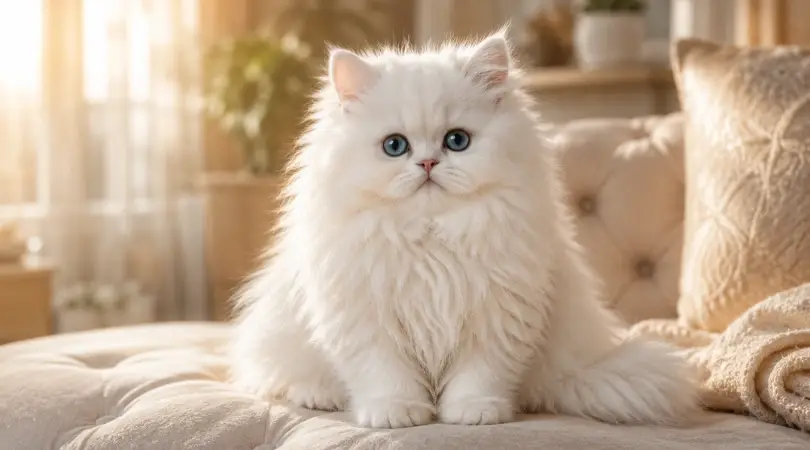
Few pets command a room quite like the Persian cat. With their flowing double coats, expressive round eyes, and calm demeanor, these iconic felines have captured human hearts for centuries. But beneath that luxurious fur lies a pet that requires dedicated care, consistent grooming, and specific living conditions to truly thrive.
Whether you are considering bringing a Persian kitten into your home or want to give your adult long-haired cat the best life possible, this guide covers every detail. From personality traits to health management, here is your practical roadmap to loving and living with a Persian cat.
New — Good to Know
What Is the History and Origin of the Persian Cat?
The Persian cat breed is one of the oldest known cat breeds in the world. Their official journey began in ancient Persia (modern-day Iran), where travelers in the 1600s first documented these striking, fluffy felines. Italian nobleman Pietro Della Valle is credited with introducing them to Europe, where their popularity exploded among aristocrats.
During the Victorian era, Queen Victoria’s love for Persian cats cemented their status as high-society companions. Breeders in the 19th and 20th centuries began refining the breed, accentuating their stocky bodies and shortened muzzles. Today, flat-faced Persian cats (Peke-face) and traditional Persian cats (Doll-face) remain beloved family companions across the globe.
What Are the Key Physical Characteristics of a Persian Cat?
Recognizing a Persian cat goes beyond their signature coat. They possess a distinctive body structure designed for comfort rather than athletic sprinting.
Body Type: Medium-to-large size, short legs, broad chest, and a stocky “cobby” build.
Head & Face: Round head, wide-set expressive eyes, full cheeks, and a short, snub nose.
Coat & Colors: Dense, long double coat available in solid, tabby, tortoiseshell, calico, and point variations (often called Himalayan Persian cats).
Weight & Lifespan: Males typically weigh 9–13 lbs; females weigh 7–10 lbs. Their average Persian cat lifespan ranges between 12 to 17 years.
What Is the Persian Cat Personality Really Like?
If you want an energetic cat that leaps across high bookshelves, a Persian cat might surprise you. Known as the “furniture with fur” of the feline world, their temperament is quiet, affectionate, and deeply gentle.
Are Persian Cats Good Family Pets?
Yes! Persian cat temperament is defined by calm affection. They prefer peaceful surroundings over chaotic households, but they adapt well to loving families. They bond closely with their human companions, enjoying quiet couch cuddles rather than chaotic playtime.
How Do They Interact with Children and Other Pets?
Because of their placid nature, Persian cats do well with gentle children and calm, cat-friendly dogs. However, they dislike loud noises and sudden grabby hands. Teaching kids how to handle a soft long-haired cat safely prevents your pet from feeling stressed.
How Do You Care for a Persian Cat’s Daily Needs?
Caring for a Persian cat requires routine commitment. Their luxurious features require active maintenance to prevent health issues and maintain daily comfort.
Coat Grooming (Daily, 10–15 mins): Use a metal comb to work layer-by-layer through the coat to gently untangle the dense undercoat and prevent severe matting.
Eye Cleaning (Daily): Gently wipe the corners of their eyes with a soft, damp cloth or specialized eye pads to clear tear drainage and prevent unsightly staining.
Facial Fold Care (2–3 times a week): Carefully wipe their snout folds with a vet-approved wipe to prevent moisture accumulation, bad odor, and skin irritation.
Litter Box Maintenance (Daily): Scoop the box daily and opt for large, shallow trays paired with non-clumping or low-dust litter to protect their fur and eyes.
Dental & Nail Care (Weekly): Brush their teeth using feline-safe toothpaste to avoid dental crowding issues and trim their claw tips regularly.
What Is the Best Daily Grooming Routine for a Persian Cat?
Because of their thick double coat, Persian cat grooming is non-negotiable. Skipping even two days can lead to severe matting that pulls tightly on their sensitive skin.
Start with a Metal Comb: Never rely solely on a soft bristle brush. Work through the fur gently layer by layer, starting from the chest and legs before moving to the back.
Handle Mats Carefully: If you find a knot, tease it apart gently using your fingers and a wide-toothed comb. Avoid using scissors near the skin.
Manage Eye Water and Staining: Due to their facial structure (brachycephalic cat traits), tear ducts overflow easily. Gently wipe the eye area using a warm cotton pad dipped in water or specialized eye cleaner.
Schedule Periodic Baths: Bathing your flat-faced Persian cat every 4 to 6 weeks removes oil and dead hair, keeping the coat fluffy and tangle-free. Always dry thoroughly with a low-heat blow dryer.
What Should You Feed a Persian Cat for Optimal Health?
A balanced Persian cat diet directly impacts coat gloss, energy levels, and kidney health. Because they have shorter jaws, choose kibble shaped specifically for flat-faced breeds, or focus primarily on wet food.
Prioritize High-Quality Protein: Look for real meat (chicken, turkey, or salmon) as the primary ingredient.
Incorporate Wet Food: Wet food boosts hydration, which protects Persian cat kidney health against common urinary tract problems.
Control Calorie Intake: Since Persian cat energy levels are low, overfeeding easily leads to feline obesity. Measure meals based on age, weight, and vet guidance.
Hairball Control Formula: Adding dietary fiber or hairball remedies helps digest swallowed hair safely during daily grooming.
What Are the Most Common Persian Cat Health Issues?
Like many purebred animals, Persian cat health problems require proactive monitoring. Knowing what to watch for helps you intervene early with your veterinarian.
Polycystic Kidney Disease (PKD)
An inherited genetic condition where fluid-filled cysts develop in kidney tissues. Ask your breeder for DNA test results confirming parents are free of the PKD gene.
Eye and Dental Conditions
Progressive Retinal Atrophy (PRA) and cherry eye can affect vision, while crowded teeth require routine dental cleanings to avoid early tooth loss.
Brachycephalic Airway Syndrome
Their short snouts can make breathing difficult, especially in hot or humid climates. Keep your indoor Persian cat in a climate-controlled room during summer.
Is a Persian Cat the Right Choice for You?
Persians suit owners looking for a calm, low-energy companion rather than a highly playful or vocal one. If you enjoy a quiet home, are comfortable with a short daily grooming routine, and want a cat that will happily spend afternoons curled up beside you, a Persian is very likely to be a wonderful fit.
Persian Kitten Price in Delhi NCR
Persian kitten pricing depends on coat colour, lineage, face type (such as doll face or punch face), and age, generally falling within a mid-to-premium range compared to mixed-breed cats. In Delhi NCR, Persian cat prices typically range from ₹10,000 to ₹35,000+ for traditional doll-face kittens, while premium punch-face, show-quality, or rare colour variations (like golden, calico, or odd-eyed) can range from ₹22,000 to ₹60,000+
Ready When You Are
Bring home your Persian companion
Message us with your city and preferred coat colour — we’ll share live litter photos and availability the same day.